
Zesting Citrus
We recommend a microplane zester for zesting lemon and other citrus fruits. If you do not have this handy kitchen tool, use a grater or peeler, but take care not to remove the bitter pith – the white part of the peel with the skin.
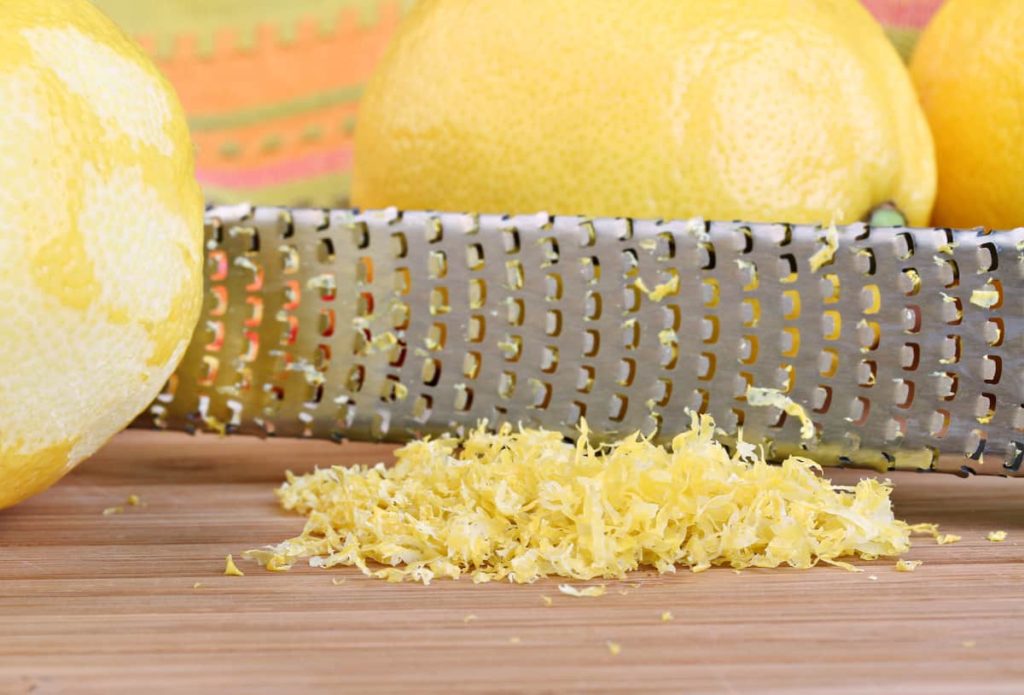
We recommend a microplane zester for zesting lemon and other citrus fruits. If you do not have this handy kitchen tool, use a grater or peeler, but take care not to remove the bitter pith – the white part of the peel with the skin.
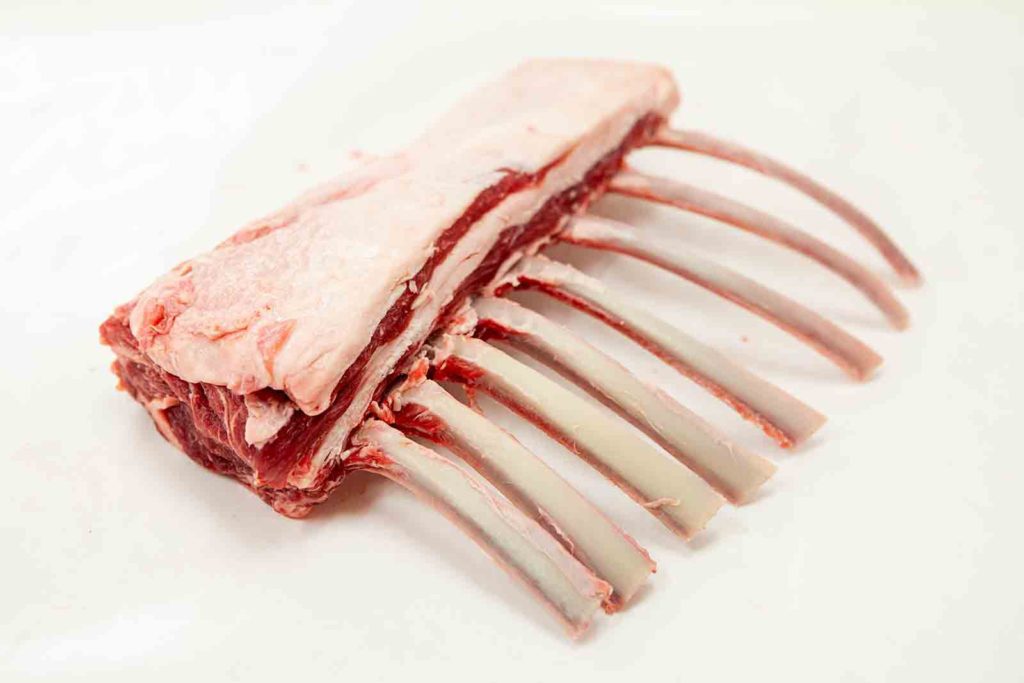
To French-cut a rack of lamb, a butcher removes the meat, fat and membranes that connect the individual rib bones. If you are interested in learning this technique, there are many fine knife skills and butchering classes offered in the Bay Area, or you can watch an online educational video. Remember to always start with
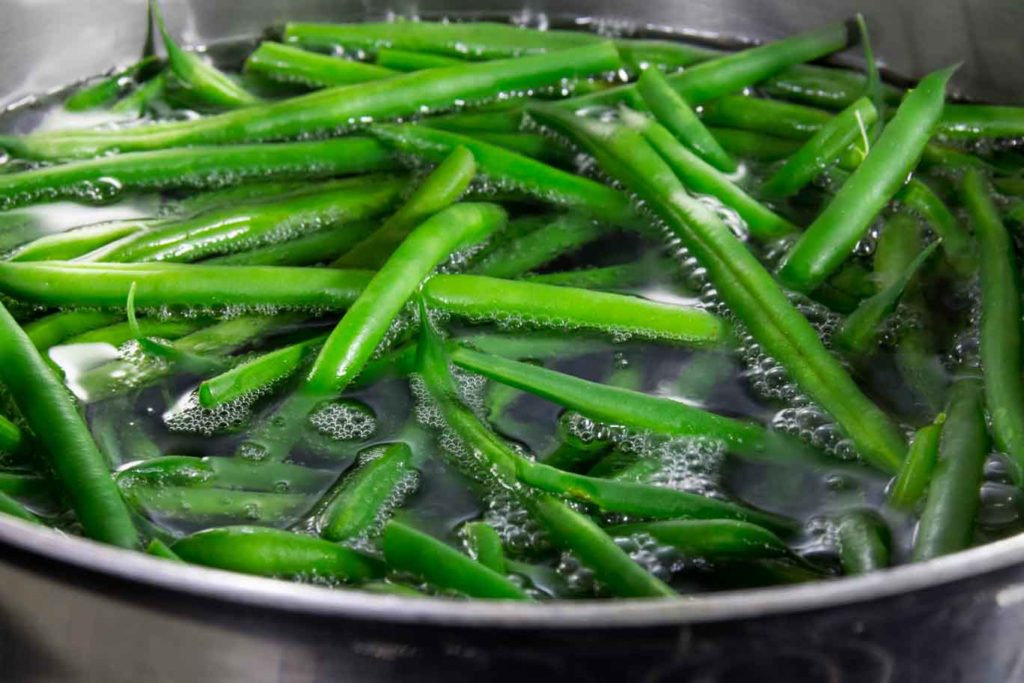
Blanching is a technique used to partially cook vegetables. To blanch, add cut vegetables to a pot of boiling salted water. Most vegetables will cook within 2 to 5 minutes; taste often to see when the vegetable is done to your liking. To stop the cooking process, “shock” the vegetables by immediately plunging them into
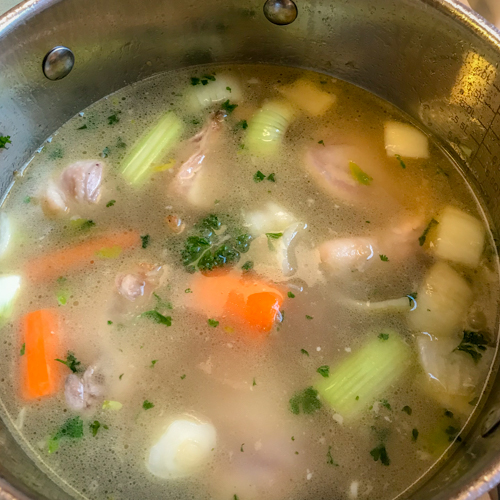
It’s easy to make your own chicken stock – and it tastes so much better than supermarket stock! The next time you roast a chicken, save the bones. Take a large pot, add the bones and filtered water to cover, along with several pinches of salt, some roughly cut onions and carrots and a handful
Homemade Chicken Stock Read More »
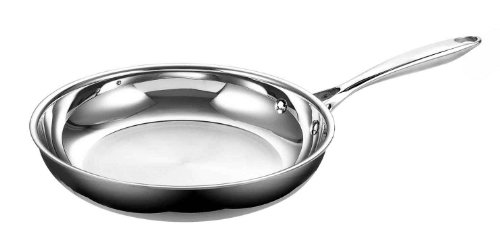
Non-reactive cookware will not react to acid ingredients, such as citrus. When a recipe calls for a non-reactive pot, pan or bowl, use stainless steel, clay, enamel, glass, or plastic.
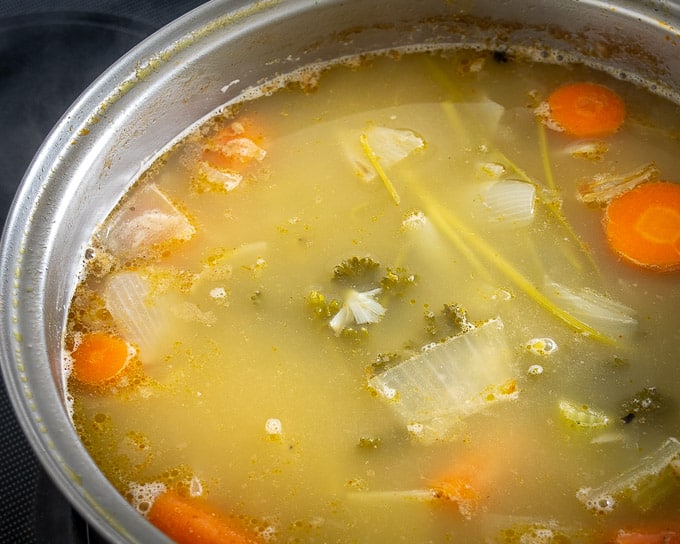
To enrich a stock, use vegetable trimmings – such as rinsed pea shells, parsley stems and celery tops. Save and freeze Parmesan cheese rinds and add them to the stock.
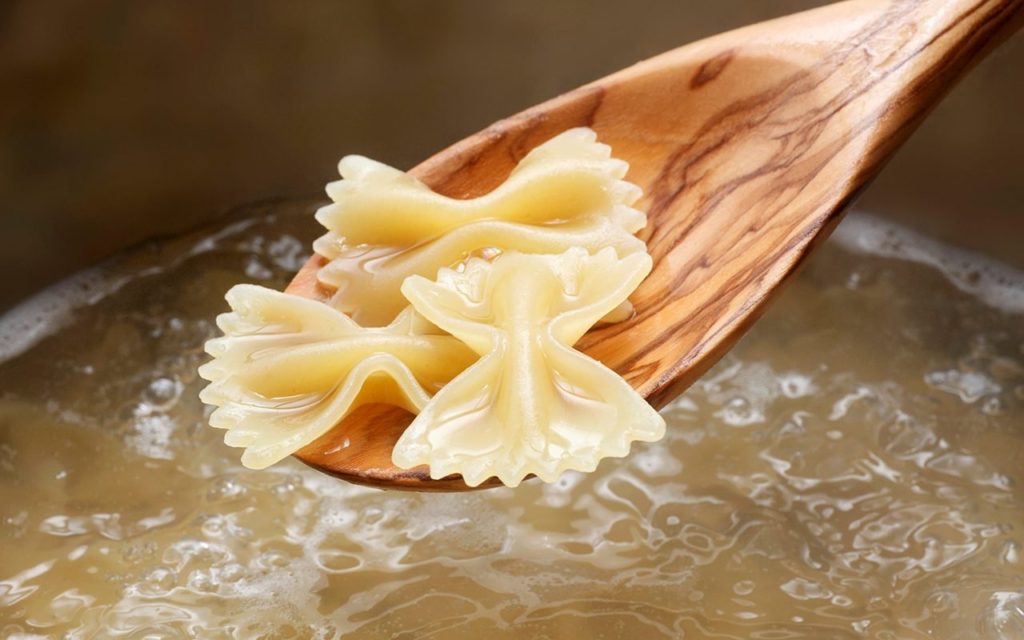
Al dente is an Italian phrase that translates as “to the tooth.” Al dente means to cook something – pasta, vegetables, etc. – firm to the bite.
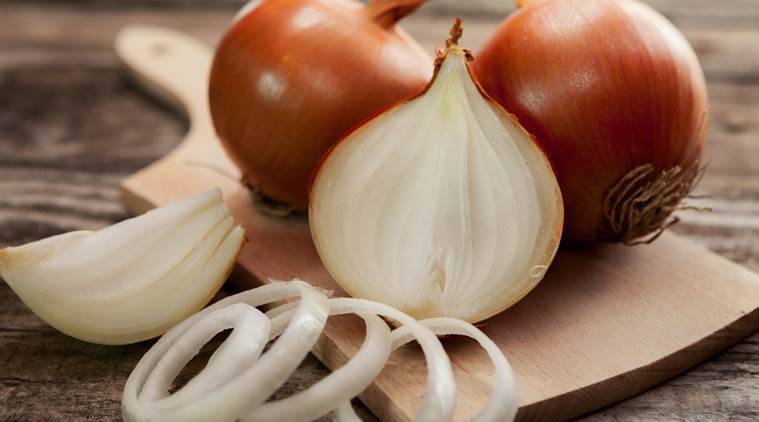
Some stomachs are sensitive to the “bite” of raw onions. Tame them by soaking the slices in a bowl of cool water for a few minutes. Squeeze the water from the onions and replace in fresh water. Repeat two to three times. Drain, and dry onions with a clean cloth.

Unless you are a professional baker, you probably don’t have pie weights in your kitchen. For an inexpensive and readily accessible substitute, use lentils, rice or beans. After baking the crust, remove your “pie weights” and store them in a plastic zip-lock bag for reuse.
No Pie Weights? No Problem! Read More »
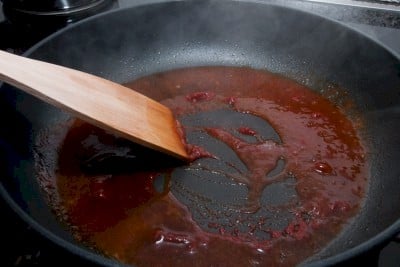
To deglaze a pan, add liquid and scrape bottom of pan until pan is clean and scrapings are incorporated into liquid.